Everyone carries a part of society on his shoulders; no one is relieved of his share of responsibility by others. And no one can find a safe way out for himself if society is sweeping toward destruction. Therefore, everyone, in his own interests, must thrust himself vigorously into the intellectual battle. None can stand aside with unconcern; the interest of everyone hangs on the result. Whether he chooses or not, every man is drawn into the great historical struggle, the decisive battle into which our epoch has plunged us. Ludwig von Mises
Historically, inflation meant an expansion of the money supply. Higher prices are a RESULT of inflation, not inflation itself. The difference is more than semantic, as there are other effects, and if the traditional definition is understood, it is clear where those higher prices come from.
First, those who get the money first may be able to buy goods and services, before inflation pushes their prices up. And when inflation occurs to fund government debt, government contractors, cronies and employees benefit to the disadvantage of those not part of those groups. Inflation undermines the value of currency by diluting its purchasing power, just as adding water to milk may increase its volume, but not its nutritional value. Inflation is best thought of as the government and the banking system stealing from us. More on this subject in the following link:
The Road to De-Civilization: Inflation and the Moral Erosion of Society
https://mises.org/mises-wire/road-de-civilization-inflation-and-moral-erosion-society


_____________________________________________________________________________________________________
INFLATION AND ITS EFFECTS
MYTH OF THE ROBBER BARONS
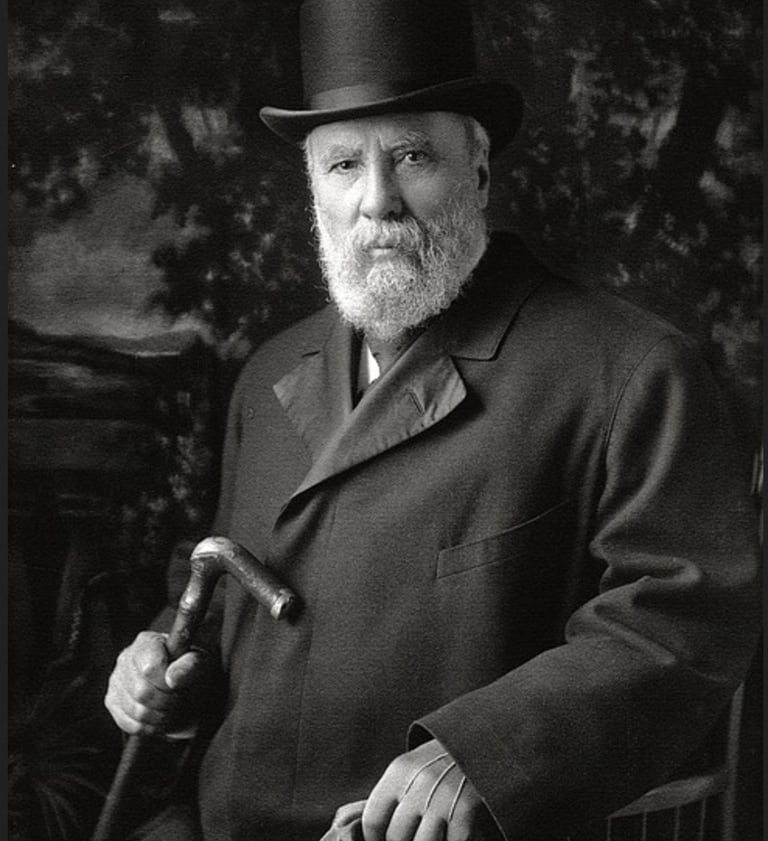
I REMEMBER WELL in my economics classes, the recounting of this myth. Short hand, the so-called robber barons offered goods and services at lower prices than competitors. An outstanding example is JJ Hill. A big difference between his and the railroads of subsidized competitors: His trains were more reliable, suffered fewer breakdowns, usually ran on time, were more efficient and thus more profitable, AND his rates were cheaper than competitors. AND his Great Northern Railway took no government money for its construction or maintenance. For a more detailed look, investigate this article on Mises: https://mises.org/mises-wire/myth-robber-barons-james-hill-versus-crony-competitors